Roughly 5,500 years ago, an invisible killer swept through the nomadic communities of prehistoric Siberia. This newly uncovered tragedy is fundamentally upending what we thought we knew about the history of human disease.
 Secrets Locked in Ancient Teeth
For generations, the word “plague” has been synonymous with medieval Europe—evoking grim images of deserted cobblestone streets and the apocalyptic devastation of the Black Death. However, groundbreaking research from the frozen wilderness of Siberia is forcing historians to completely rethink the timeline of humanity’s deadliest enemy.
Long before the first cities were built, before kingdoms rose, and before humans even invented writing, the plague was already stalking our ancestors.
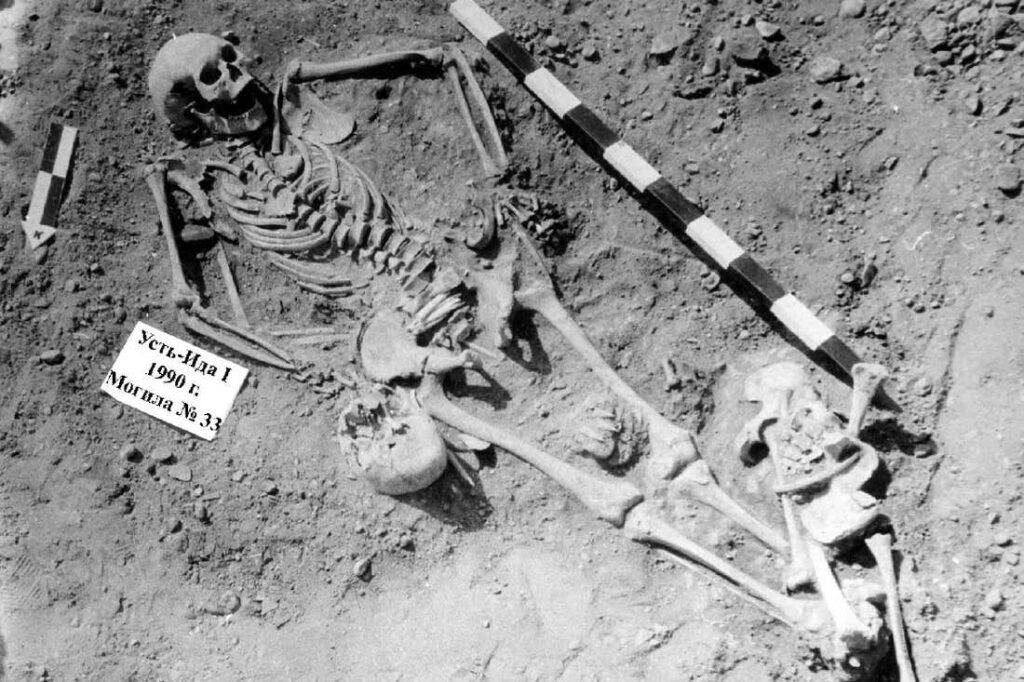
By leveraging advanced genomic sequencing, scientists analyzed dental pulp from dozens of human remains unearthed across four prehistoric burial sites near Lake Baikal. What they found shocked them: 18 individuals tested positive for Yersinia pestis, the notorious bacterium behind the plague. Tragically, the majority of the victims were children and teenagers, indicating that this ancient pathogen targeted the young with particular ferocity.
Shattering the “Civilization Myth”
For decades, the scientific consensus held a specific narrative: devastating epidemics were a byproduct of civilization. The theory assumed that deadly diseases could only thrive after humans abandoned their nomadic lifestyles to pack themselves into crowded, unsanitary farming villages and early cities.
The Siberian discovery completely shatters this assumption.
“This ancient outbreak proves that large-scale, fatal epidemics did not require urban density to spread. Even small, highly mobile groups of hunter-gatherers were vulnerable to devastating biological catastrophes.”
From Wildlife to Warfare: The Transmission Pathway
How did a prehistoric nomadic community contract a plague? Researchers have pointed their fingers at a prime suspect: marmots.
-
These large, ground-dwelling rodents were abundant across the Siberian steppe.
-
Prehistoric humans heavily hunted them for meat and used their bones and fur for cultural ornaments.
-
The close physical contact during hunting and skinning likely allowed the bacterium to make the evolutionary leap from animal to human.
Once the barrier was crossed, the disease didn’t rely on fleas; instead, it adapted to spread directly from person to person through close respiratory contact.
An Evolutionary Prototype
Interestingly, this 5,500-year-old pathogen was an evolutionary prototype. Genetic mapping revealed that these ancient strains lacked the specific mutations that later allowed the bacteria to survive inside fleas—the crucial mechanism that triggered the global trade-route pandemics of the Middle Ages.
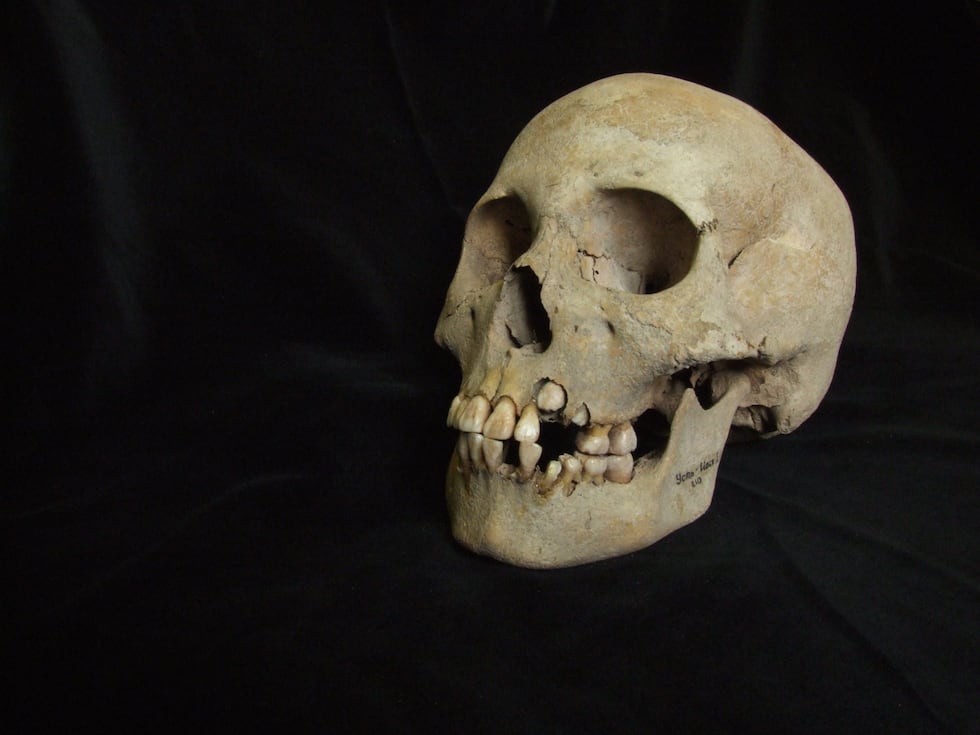 Yet, even without the ability to travel across continents via fleas, this primitive version was deadly enough to decimate local lakeside communities and leave a haunting imprint in the archaeological record.
A Darker, Older Timeline
This discovery pushes the documented timeline of the plague hundreds of years further into the past, reinforcing the theory that East-Central Asia was the evolutionary cradle of the disease.
More than five millennia ago, on the wind-swept shores of Lake Baikal, prehistoric families watched helplessly as their children succumbed to an unseen monster. Today, thanks to the biological time capsules hidden within their teeth, their forgotten story has finally come to light—offering a chilling reminder that humanity’s war against infectious disease began long before civilization itself.